When the Heating’s On and the Kettle’s Out: Finding Winter Community Spaces That Are Really Open
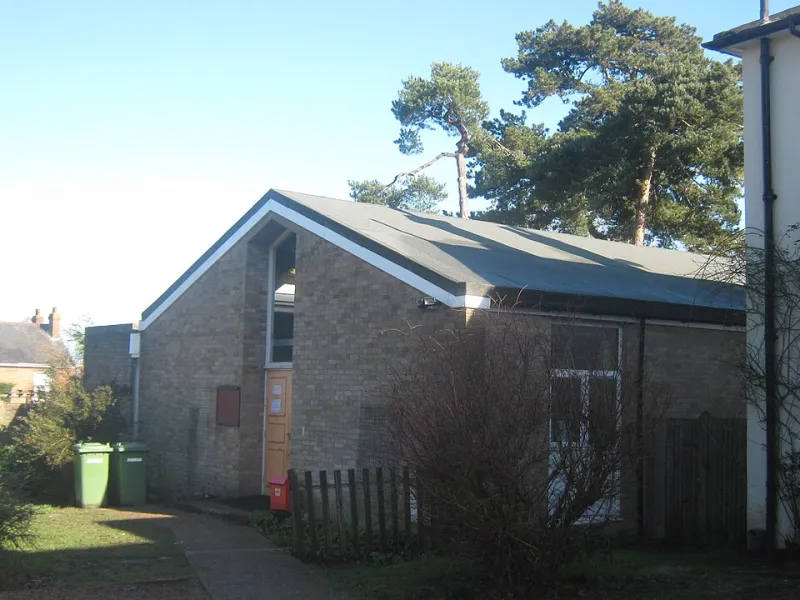
Photo: David Anstiss, CC BY-SA 2.0, via Wikimedia Commons
Winter 2026 is the season of small print. The library has a warm space sign on the door. The church hall advertises a repair café on the second Saturday. Someone in the local Facebook group mentions a community fridge behind the health centre. These are the quiet bits of local infrastructure — not headline services, but the places people rely on when the boiler is broken, the budget is tight or the week has been long.
The trouble is that small groups are often listed in a dozen places and updated in none. A directory entry can say ‘open Tuesdays, 10am–2pm’ long after the volunteer rota changed. So here’s a practical way to find winter community spaces that are actually opening their doors — and to use a directory like FindIt UK without treating it as gospel.
What these places are — and aren’t
Warm spaces are usually free, low-pressure places to sit, have a hot drink and be around other people. They might be in a library, a church, a community centre, a mosque, a village hall or a pub. Some are aimed at older people, some at families, some at anyone who needs a warm room. They are not usually crisis services. If you need urgent help with heating, food or housing, ask the council or a local advice service as well.
Repair cafés are different. You bring a broken item — a lamp, a toaster, a jumper, a bike — and volunteer fixers help you mend it. It’s not a free repair shop with a queue and a guarantee. It’s a social event with screwdrivers. Tool libraries lend tools, often for a small membership fee. Community fridges share surplus food, usually with no referral, though opening times can be tight.
Check the listing against the door
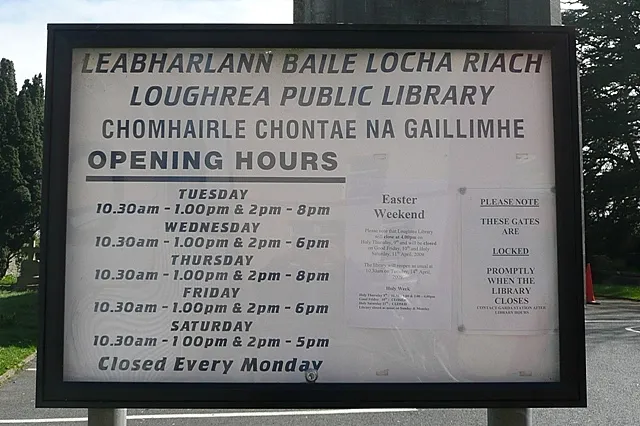
Before you travel, check the listing against the group’s own latest update. Look for a date. A page that says ‘every Wednesday’ with no recent posts is a rumour, not a timetable. Find the group’s website, Facebook page or Instagram and look for a post from the last fortnight. If the only information is a directory entry from three years ago, ring the venue and ask.
Ask a simple question: ‘Are you open this week, and do I need to book?’ That covers most of it. For repair cafés, ask whether they can look at your specific item and whether you need to reserve a slot. For tool libraries, ask about membership and whether you need proof of address. For community fridges, ask about opening hours and whether there’s a queue. For warm spaces, ask whether you can just turn up.
Four things to ask before you go
Is it open this week? Volunteers get ill, halls get booked, term times change. A group can be real and still be closed on the day you turn up.
Who is it for? Some warm spaces are for older residents or families with young children. Some repair cafés only take small electricals. Some tool libraries are for residents in a specific postcode. None of this is gatekeeping for its own sake; it’s how small groups manage demand.
Can I get in? Ask about step-free access, toilets, quiet space, hearing loops, parking and bus routes. If you’re bringing a child or a wheelchair, say so. A well-run group will tell you what the building is actually like, not what the brochure says.
What should I bring? For a repair café: the item, any parts you already have, and a bit of patience. For a tool library: ID and proof of address. For a community fridge: bags, and maybe a container if you’re taking something loose. For a warm space: just yourself. You don’t need to explain why you’re there.
The volunteer maths
These groups run on goodwill and rota gaps. That’s not a reason to avoid them; it’s a reason to check before you go and to be kind when you arrive. If a listing says ‘open every Tuesday’, but the volunteers are all at a funeral that week, the listing isn’t lying — it’s just not live. A quick phone call or message saves everyone a wasted trip.
It also helps to feed information back. If a warm space has changed its hours, tell the venue and, if you use a directory, suggest an update. FindIt UK’s community listings are only useful if they’re kept current. A listing with a last-checked date, clear eligibility notes and accessibility details is worth ten vague posters in a window.
Why these small groups belong in a trusted directory
A good local directory should do more than list shops. It should help you find the stuff that doesn’t advertise: the repair café behind the church, the tool library in the old scout hut, the warm space with the good biscuits. These places deserve accurate entries because they’re easy to miss and easy to misremember.
So use the directory as a starting point, then do the human check. Look for recent updates, ask a direct question, and turn up with realistic expectations. Winter 2026 is a good time to know what’s open — and to help keep the listings honest for the next person.