Fire Doors and Fine Print: Checking a UK Hall Before You Hand Over a Deposit
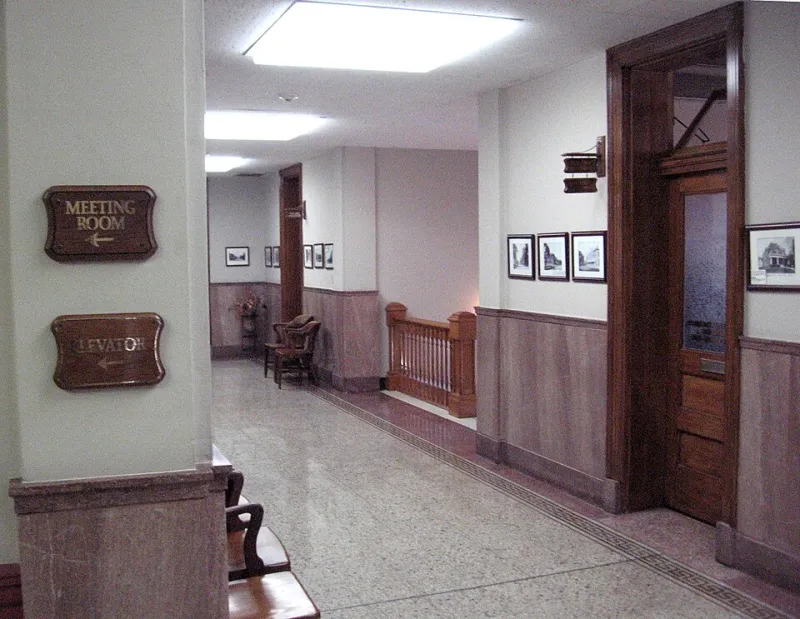
Photo: MrHarman, CC BY 3.0, via Wikimedia Commons
Every hall photographs beautifully. Wide lens, low winter sun through the window, chairs stacked with military precision at the back — and absolutely nothing in that picture tells you whether the heating comes on before 9am or whether the kitchen has been quietly out of action since the last food hygiene visit.
Hiring a church hall, village hall or community centre is one of those small transactions with far more moving parts than the price suggests. Whether you're running a weekly yoga class, a toddler group, a birthday party or a residents' meeting, here's the sort of thing worth doing before the deposit leaves your account.
Start with the paperwork, not the viewing
A well-run venue has a document — a booking form with actual terms on it. Not a text saying 'just let us know what you need'. Village halls are frequently registered charities run by a volunteer committee, and the quality of the paperwork is usually a decent proxy for how organised everything else is.
Three questions to ask on the phone, before anything else:
- Who is the hall manager or licensee, and who holds the keys on the day?
- What public liability cover does the venue carry, and what does your own insurer expect you to have?
- Is there anything about your activity — amplified music, alcohol, food sales, late finishing — that needs a licence or a permission?
A hall that says 'oh, everyone does that, it's fine' is not reassuring. A hall that says 'music until eleven is fine, but you'll need your own PRS/PPL licence and the neighbours get twitchy after ten' has told you something genuinely useful.
Accessibility is more than a ramp by the front door
Stand in the car park and look at the route in: is the step-free path from the parking bays, or only from the pavement? Then check the obvious things — an accessible loo that isn't being used as a chair store, door widths that take a wheelchair or a double buggy, decent lighting, a hearing loop if you're holding meetings, and grab rails where you'd expect them.
If your group includes people with mobility aids, ask for rough measurements rather than trusting a website badge. One hall's 'fully accessible' is another hall's 'there's a ramp, but someone has to move the bins'.
Count the exits — then open one
Ask to see the fire risk assessment. It should exist, it should be reasonably current, and it should mention the building you're standing in. Then do the walk: are the exits clear, or is one of them holding a stack of trestle tables and a Christmas tree in June? Are the extinguishers in date? Is there emergency lighting over the stairs?
Ask where the assembly point is, and whether the venue has a procedure for groups with children or vulnerable adults. A hall that has genuinely thought about it will answer in seconds. A hall that hasn't will say 'we'd all just go out the front'.
The kitchen is where bookings quietly fall apart
Find out whether the kitchen is included in the hire fee or costs extra, and whether it's actually usable — fridge space, a working urn, hot water, somewhere to wash up. Ask about the current food hygiene rating, and if you're planning to sell food regularly, check whether you need to register as a food business with the council.
If you're bringing your own appliances, ask about PAT testing rules. Then get any 'reheating only, no cooking' restriction in writing, because the person who answers the phone and the person who unlocks the door on a Saturday morning are very often not the same person and do not always agree.
Heating, noise and the neighbour factor
Ask how the heating works and whether it's on a timer, a coin meter or a phone call to the caretaker. Ask what the noise curfew is and whether the hall sits close enough to housing that a noisy finish would cause a problem. These two questions prevent more misery than any other.
Money: deposits, damage and cancellation
A hire deposit and a damage deposit are different things — make sure you know which you're paying, when it comes back, who decides what counts as damage, and whether a cleaning charge is lurking in the terms. Read the cancellation clause properly: many halls offer no refund at all inside a set window.
One more thing. Get the bank details from the venue's own website or over the phone, never from an email that arrived unprompted. Hall bookings are a familiar target for invoice fraud, and a committee inbox being spoofed is not as rare as you'd hope.
Visit at the hour you'll actually be there
A Tuesday at 11am tells you almost nothing about a Thursday at 7pm. Ask to see the hall at the time and day you'll be using it — that's when you find out about parking, lighting, competing bookings in the other room, and whether the caretaker is around to lock up or expects you to post a key through a letterbox.
The caretaker is the real venue
If you take one thing from this, take that. A friendly, reachable caretaker who answers their phone is worth more than a new floor and twice as much as a nice photo on a listing. Ask for their number before you pay.
A quick pre-deposit checklist
- Booking form and terms, in writing
- Public liability cover confirmed
- Step-free route and accessible toilet checked in person
- Fire exits opened, not just spotted
- Kitchen rules agreed in writing
- Heating and noise curfew understood
- Deposit, damage and cancellation terms read properly
- Bank details verified by phone
- Caretaker's contact number saved
Book with the venue that answers all of this without sighing. FindIt UK listings flag the practical details — step-free access, kitchen facilities, capacity, parking — because no photograph has ever told anyone where the fire door is.