The Volunteers Aren't a Side Note: Why 'Shop Local' Must Also Mean 'Show Up Local'

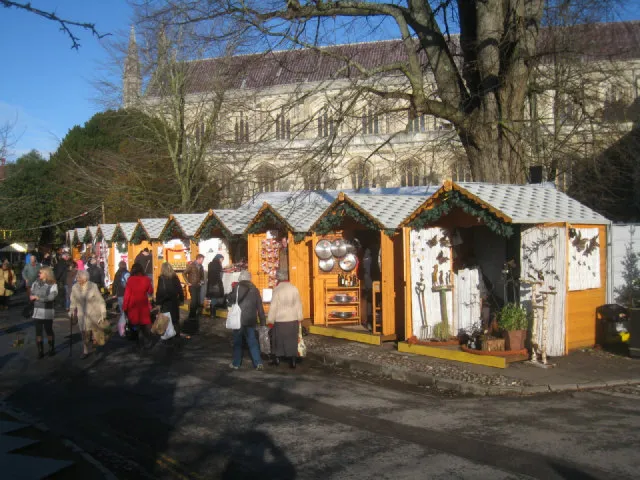
Photo: Chris McKenna, CC BY-SA 4.0, via Wikimedia Commons
Every November, the same posters appear in shop windows: 'Shop local', 'Support small business', 'Use it or lose it'. They are good messages. Independent shops add character, keep money in the local economy and give high streets something worth walking to. But as the festive season ramps up in 2026, it is worth asking who gets left out of the picture. The answer, too often, is the volunteers.
The blind spot in the shop-local message
Shop local campaigns are easy to measure. You can count footfall, receipts and empty units. You can photograph a busy high street and call it a success. Community groups do not fit that model. They do not have tills. They do not issue quarterly figures. A food bank, a repair café, a Men's Shed, a community fridge, a walking group, a parent and toddler session or a library of things rarely shows up in a business improvement district report. Yet these groups are part of the same local ecosystem. They are what makes a place feel like somewhere people can live, not just shop.
When a directory lists only businesses, it tells a partial story. Someone new to the area might find a dozen cafés and a estate agent, but no idea where to get a bike fixed for free, where to meet other parents on a Tuesday morning, or where to borrow a drill. That is not just a gap in information. It is a gap in belonging.
Volunteers are infrastructure, not decoration
It is tempting to treat community groups as nice extras. They are not. They are the quiet infrastructure of a town. A repair café keeps usable items out of landfill and teaches people how to fix things. A community fridge redistributes food that would otherwise be wasted. A Men's Shed gives people somewhere to go and something to do with their hands. A toddler group is often the first place a new parent makes a friend. A walking group can be the difference between isolation and a reason to leave the house.
None of this happens by magic. It happens because people give up evenings, weekends and a lot of headspace. They apply for grants, book halls, sort insurance, run DBS checks and make tea. The mutual aid groups that sprang up in 2020 showed how quickly people will organise when the need is clear. Six years on, many of those networks have evolved into permanent fixtures. They deserve more than a footnote in the local newsletter.
What a curated directory can do differently
A directory is not a noticeboard. Or at least, it should not be. The value of a site like FindIt UK is curation: checking that a group is real, that its details are current and that a visitor can understand what it actually offers. Community groups need the same care as shops. That means clear listings with a venue, a day and time, accessibility information, cost, contact details and a plain-English description of who the group is for.
A user searching for 'repair café near me' or 'baby group Tuesday morning' should get a useful answer, not a Facebook post from 2023. Filters such as 'volunteer-run', 'free', 'drop-in' and 'accessible' would help. So would cross-links between businesses and the groups they support. A shop might host a collection point for a food bank. A café might lend its back room to a book club. A local employer might sponsor a community listing without turning the listing into an advert.
Towns that get the blend right
Some places already show what this looks like. Frome's independent shops and volunteer networks are often promoted together, rather than treated as separate worlds. Hebden Bridge's small-town listings tend to include traders and community groups side by side. Todmorden's Incredible Edible project became a local landmark because it was treated as part of the town's identity, not a quirky extra. In Ulverston, Lewes and Stroud, community events and independent businesses frequently share the same calendar. The lesson is not that every town needs a glossy campaign. It is that the most useful local guides list the whole place, not just the bits that pay business rates.
The risk of leaving groups out
If directories only list shops, they send a subtle message: this is what counts. New residents, older people, parents, teenagers, disabled residents and anyone going through a hard time may conclude there is nothing here for them. That is bad for community groups, which rely on word of mouth. It is also bad for shops, because volunteers are customers too. A town that makes space for both is more resilient, more welcoming and frankly more interesting.
A simple way to get the balance right
List community groups with the same care as businesses. Verify the details. Update them when they change. Use plain language instead of jargon. Add a 'community' category and make it easy to browse. Share the spotlight in social posts and newsletters. Invite groups to add events. Keep basic listings free, because a volunteer-run group should not have to choose between paying for visibility and paying for hall hire. If a business wants to sponsor a community page, fine, but the listing itself should stay useful first.
Show up local, not just shop local
'Shop local' is a good start, but it is not the whole sentence. A town is not only a high street. It is the hall where the toddler group meets, the workshop where someone teaches a teenager to use a saw, the church kitchen where the food bank sorts donations, and the pub back room where the choir rehearses. If we want local directories to reflect real life, they need to include the people who hold it together. That means giving volunteers the same shelf space as shops, and treating 'show up local' as part of the same promise.