Stall or Smokescreen? How to Tell a Real Maker From a Reseller at UK Festive Markets
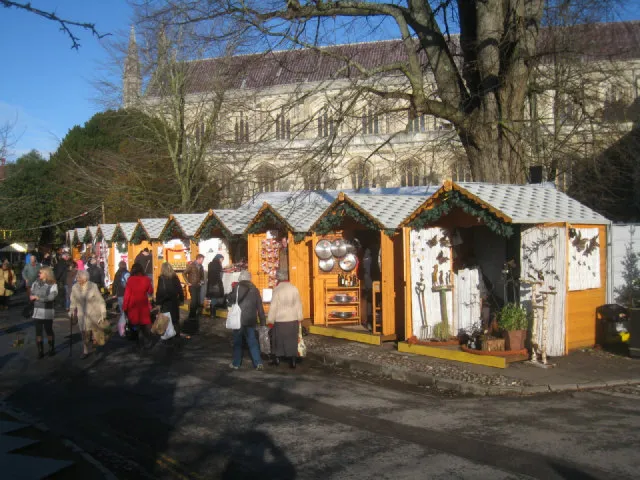
Photo: Sandy B , CC BY-SA 2.0, via Wikimedia Commons
November has arrived, the lights are up, and the wooden chalets are back in town squares from Canterbury to Carlisle. As of 7 November 2026, festive markets are already filling UK high streets with mulled wine, brass bands and the annual promise of something 'handmade'. But among the genuine potters, printmakers and jam-makers, there are stalls stacked with the same imported trinkets you can find online for half the price. The trick is not to become cynical. It is to shop with a few good questions and a local directory in your pocket.
Use the local directory before you leave the house
FindIt UK exists for exactly this sort of day out. Before you head into town, spend five minutes looking at curated local listings rather than relying on a scattergun social media search. A good listing will name the organiser, the venue, the dates and, ideally, the stallholders. That matters. Markets run by town councils, churches, schools, farmers' market associations and makers' cooperatives tend to be more transparent about who is selling what. If a market publishes a stallholder list in advance, treat that as a good sign. If the only information available is a generic poster and a phone number, do a little more digging.
Cross-check the market against the organiser's own website or a trusted local directory. Look for accessibility information, transport details and whether the event is indoors or outdoors. These practical details tell you whether the organiser has thought about visitors as real people rather than footfall. They also make it easier to support the smaller, community-run events that often give genuine makers a better chance.
The friendly five-question test
You do not need to interrogate anyone. A short, friendly chat is usually enough. Most makers are delighted to talk about their work, because the work is the point.
- Who made this? If the answer is vague, ask again. 'It comes from a supplier' is a useful answer, even if it is not the one you hoped for.
- Where do you work from? A workshop, studio, kitchen or spare room in a named town is a good start. 'Abroad' is not necessarily a red flag, but it does mean the stall is not a local maker.
- How did you make it? Listen for specifics: glazing, screen printing, cold-pressed soap, small-batch chutney, hand-thrown ceramics. Real makers usually have a process they can explain without a script.
- What is it made from? Materials matter, especially for candles, cosmetics, toys and food. A maker should know what is in their product and where it came from.
- Do you sell anywhere else locally? A market stall, a local shop, a studio open day or a market profile all help build a picture. If the answer is only 'here, today', that is not proof of anything, but it is worth noting.
Green flags to look for
- The maker is behind the stall, not a hired seller reading from a price list.
- There are work-in-progress pieces, sketchbooks, offcuts or a photo album showing the process.
- Items vary slightly. Truly handmade goods are rarely identical in every detail.
- The stall has business cards with a workshop town, website or social account that shows making, not just marketing.
- Materials are named clearly, whether that is British wool, recycled silver, local honey or reclaimed wood.
- The stall accepts card payments and offers receipts. Professional makers usually do.
- The organiser has a printed stallholder list and can tell you who is local.
Red flags that deserve a second look
- The same 'handmade' bowls, candles or earrings appear on three stalls with different names.
- The seller cannot say who made the item or where it came from.
- The stall has no local connection at all, yet uses local-sounding place names in its branding.
- Prices are suspiciously low for the amount of work described. Handmade does not have to be expensive, but it does have to be paid for.
- The seller pushes a 'last one, today only' deal before you have had time to think.
- Packaging is generic, wholesale boxes are visible, or labels have been hastily stuck over other labels.
None of these prove anything on their own. A volunteer might be helping out a friend. A small maker might use imported components. The point is to ask, not to accuse.
A pocket checklist for festive shopping
- Does the stall name a maker?
- Can the maker explain how the item was made?
- Is there a local workshop, studio or kitchen address?
- Are there natural variations between items?
- Does the price reflect time, materials and skill?
- Is the stall listed by the organiser or a trusted local directory?
- Would I still buy it if it were not in a pretty wooden chalet?
Community-run markets worth seeking out
Big city markets can be brilliant, but the smaller community-run events often give you a better ratio of actual makers to resellers. Look out for farmers' market festive editions in towns such as Winchester, Norwich and Truro; WI, church hall and village hall craft fairs; school PTA and preschool Christmas fairs; town council or civic society 'makers' markets in places like Frome, Hebden Bridge and Stroud; arts trails and open studio weekends in York, Bath and Edinburgh; and makers' cooperatives or craft hubs in Manchester, Bristol and Glasgow. Dates move each year, so check FindIt UK's local listings and the organiser's own page before you travel.
Buy less, ask more
The best festive markets are not the ones with the most lights. They are the ones where you can have a proper conversation with the person who made the thing you are holding. Use a local directory to find the smaller events, ask a few friendly questions and give your money to the stalls that can tell you their story. That is how a Christmas market stays local in more than name.