The Group Chat Is Not the Group: How to Check a UK Community Group Is Real Before You Turn Up
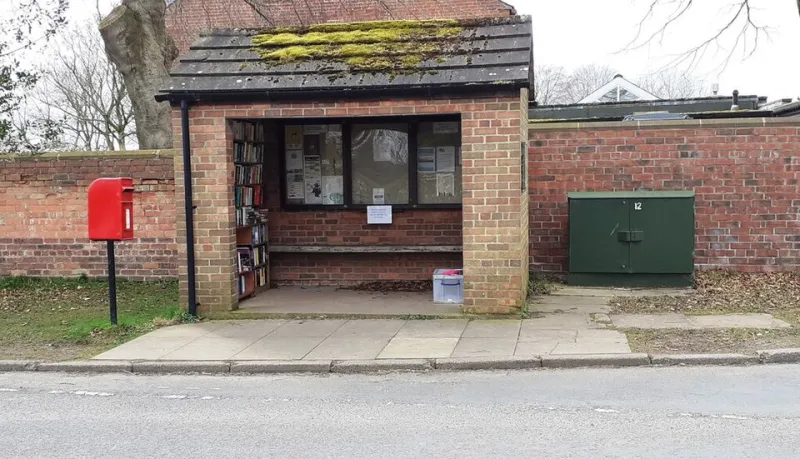
Photo: Luke Shaw , CC BY-SA 2.0, via Wikimedia Commons
The first time you hear about a community group, it is rarely from a formal advert. It is a line in a parish newsletter, a handwritten card on the library noticeboard, a WhatsApp forward from a neighbour or a Facebook post that keeps appearing because someone's cousin is in it. In 2026, the parish pump has not disappeared. It has gone hybrid. The group may have a website, a group chat and a laminated sign in the village hall, all at once.
That is good news for discovery and bad news for verification. A group can look busy online and be dormant in real life. It can be welcoming in a comment thread and cliquey in the actual room. It can be entirely legitimate and still be terrible at answering messages. So before you turn up on a wet Tuesday, do a bit of cross-checking.
The Noticeboard Still Matters
Start with the old-fashioned places. Library noticeboards, post office windows, village hall foyers, church porches, community centre corridors and the Co-op board are still where lots of groups advertise. They are not curated, but they are local. A card that has been updated for a 2026 event, with a named contact and a venue, is often more useful than a Facebook page with 400 followers and no recent posts. Take a photo of the board. Look for dates, not just logos. If the same group appears on the library board and in the parish newsletter, that is a decent sign it exists beyond one person's phone.
Cross-Check the Paper Trail
Legitimate groups usually leave a trail. That might be a charity number, a listing with the local volunteer centre, a page on the council's community directory, a bank account name, a safeguarding policy or a named chair. Not every small group has all of these, and a lack of paperwork is not automatically suspicious. A coffee morning does not need a constitution. But if a group is asking for regular fees, offering activities for children or vulnerable adults, or handling donations, you should be able to find out who runs it. A good local directory should make that easier by listing a contact and a venue, not just a social media handle.
WhatsApp Is a Corridor, Not a Front Door
Group chats are where a lot of community life actually happens. They are also where news goes to die. An invite to a WhatsApp group is not the same as an invitation to a group. Before you join, ask who administers it, whether it is linked to a named organisation and how meetings are announced. If the only way to find out about a meet-up is a chat you have not been added to yet, that is a barrier. It is not necessarily a conspiracy. It is just a group that has confused a messaging app with a public noticeboard. The best groups use the chat for logistics and something more open for newcomers.
Check for Signs of Life
Look for recent, specific activity. A page that says 'meets every second Thursday' is useful. A page that says 'we meet regularly' is not. Check the last post date, the next event date and whether anyone replies to questions. Look at photos for dates or seasonal clues. A Christmas fair photo in July is not a crime, but it tells you the page is not being kept current. If there is a newsletter, read the most recent one. If there is a venue, check whether it is actually open. If there is a phone number, try it. One answered call is worth twenty likes.
Ask Three Questions Before You Go
A quick message can save an evening. Ask what happens at a typical meeting, whether there is a fee or membership cost and who the contact is if you have access needs. A good group will answer plainly. A vague answer is not always a red flag, but it is information. You can also ask whether newcomers usually come alone and whether there is a quiet corner or a buddy system. Groups that are used to welcoming people will have thought about this. Groups that are not may still be lovely, but at least you know what you are walking into.
Red Flags and Green Flags
Red flags include pressure to pay cash before you have been to anything, no named contact, no venue, and a social page that only communicates by direct message. Be cautious if a group promises huge benefits, asks for bank details early or refuses to say who is in charge. Green flags include a regular schedule, a real address, a named contact, a listing with a volunteer centre or council, and a clear answer about money. None of these are absolute. Community groups are run by people, and people are messy. But patterns matter.
Turn Up Once, Then Decide
The only real test is attendance. Go once. See whether anyone says hello, whether the session starts roughly when it says it will and whether you can imagine going again. You do not owe a group your Tuesday evenings. A good group will make space for a new person without making a performance of it. If it does not, that is allowed. You can try another one.
The best community groups are usually found in more than one place: on the library board, in the parish newsletter, on a volunteer centre list and in a chat that someone actually monitors. That overlap is not old-fashioned clutter. It is how you tell the pump is still working. In 2026, the digital noticeboard is useful, but it is not the whole story.