Before You Move or Visit: Reading a High Street Like a Local, Not a Brochure
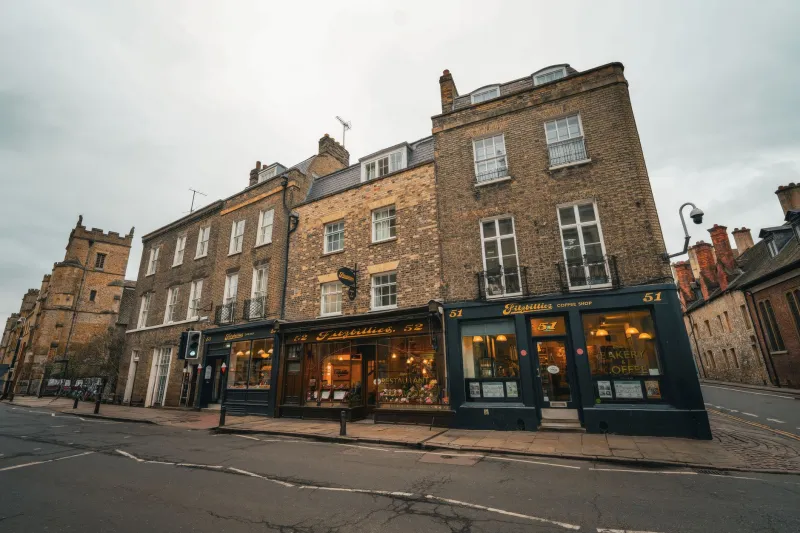
Most high street guides are written for a Saturday afternoon: a nice café, a couple of charity shops, maybe a market stall with handmade soap. That is not a health check. It is a postcard. In 2026, with more people working hybrid hours and more towns trying to keep practical services alive, the real question is whether a high street works on a wet Tuesday in February. A good local directory should help you answer that before you visit or sign a tenancy.
The test is not whether the place looks charming. It is whether you can get a bike fixed, find a hall for a toddler group, pick up a prescription after 6pm and check whether the bus actually runs. Those things rarely make the brochure. They are exactly what a directory should list.
Start With the Boring Listings
A useful directory tells you what exists, where it is, when it opens and how to contact it. That sounds obvious, but plenty of local listings are basically mood boards. They have forty cafés and no cobblers. They have a wellness studio and no launderette. If you are researching a town, search for the unglamorous stuff first: repair shops, key cutting, tailoring, hardware, pet supplies, post office counters and a library with real opening hours. If the directory cannot tell you whether these places exist, it is not giving you a picture of the high street. It is giving you a selection of nice photos.
Look for Repair, Reuse and Practical Trade
A healthy local economy has places that fix things. Not because it is trendy, but because repair businesses are a decent signal that people are staying put and using the high street for ordinary life. Look for a bike repair shop, a shoe repairer, a seamstress, a computer repair place, a vacuum repair shop or a repair café. Check whether the directory lists them by service, not just by name. If you have to guess whether the place on the corner mends kettles or sells them, the listing is thin. Practical trade also tells you something about the local rental market. A high street with no repair businesses but five vape shops may still be fine. It may also be a high street where the practical stuff has been pushed out.
Community Halls and Noticeboards Are Infrastructure
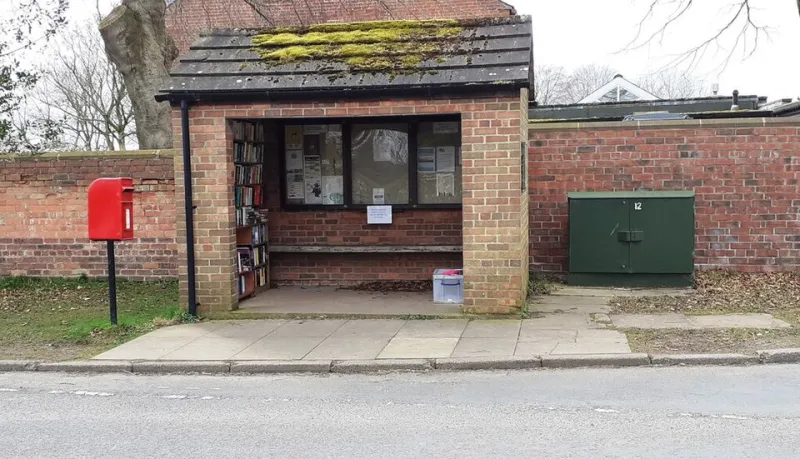
A village hall, church hall, Scout hut or community centre is not a soft extra. It is the room where the baby group, the folk club, the councillor surgery and the food bank rota happen. A good directory should list halls with contact details, capacity, accessibility and a rough idea of hire costs. It should also point you to the places where people actually post things: the library noticeboard, the post office window, the Co-op board and the parish newsletter. If a town has no visible noticeboard culture and no hall listings, the community may still be thriving, but it is harder to find. That matters if you are new, isolated or just trying to join in.
Out-of-Hours Is the Real Stress Test
Anyone can list a dentist that opens Monday to Thursday. The useful directory tells you what to do on a Sunday. Look for out-of-hours pharmacy details, urgent dental contacts, vet numbers, taxi firms, bus timetables and the council's emergency line. This is where many local listings fall apart. They are built around office hours and good intentions. A health check should include the awkward questions: where do I go if the pharmacy is shut? Is there a late bus? Can I get a key cut on a Saturday? If the answers are missing, the high street may be lovely, but it is not fully functioning as a service map.
Read the Dates, Not the Photos
A directory is only as good as its last update. Check whether listings show a last-verified date, whether opening hours are specific and whether there is a phone number that answers. Look for signs that a human maintains the thing: corrected hours, seasonal notes, a line about step-free access or a temporary closure. Stale listings are not a small problem. They waste a trip and they make people trust local information less. A directory that lists forty cafés but cannot tell you whether the post office counter is open on Wednesday morning is not doing the job.
Try the Five-Minute Check
Before you visit a town or plan a move, give it five minutes of directory research. Search for three practical needs: a repair service, a community hall and an out-of-hours option. Check whether each listing has a contact route and a recent update. Cross-check one or two against a map or a social page. Then ask yourself whether the directory told you something the high street's Instagram account would not. If it did, you have found a useful local source. If it only gave you cafés and charity shops, keep looking.
A high street is a system, not a backdrop. The cafés matter, but so do the repair shops, the hall bookings, the noticeboards and the late-opening pharmacy. A good local directory should show you the whole thing, including the bits that do not photograph well. That is how you tell whether a place is genuinely healthy or just having a good hair day.