The Doorstep Handover Is the Real Menu: Checking a Meal Service for an Older Relative
A printed menu tells you what someone hopes to cook. It doesn’t tell you whether the kitchen was clean on Tuesday, whether the driver knows what to do when nobody answers the door, or whether the ‘hot dinner’ arrives at 1pm or 4.30pm. If you’re arranging meal deliveries for an older neighbour or relative, the useful questions sit behind the brochure.
Start with the kitchen, not the leaflet
The first stop is the Food Standards Agency’s hygiene rating search, usually run through the local council. Check the address of the kitchen, not just the office or the phone number. Ask whether meals are cooked on site or brought in from a central kitchen and reheated. If there’s a central kitchen elsewhere, check that premises too. A five-star sticker on a flyer is not a rating; the rating belongs to a specific place.
It’s also fair to ask what happens when the usual cook is on holiday. A small local service may be brilliant, but if one person does everything, you need to know the plan for the weeks they’re away. Ask for it plainly: who cooks, who covers, and how will relatives be told?
Allergens need a paper trail
‘We can do gluten-free’ is a sentence, not a system. Ask how allergen information is recorded, updated and shared with the person receiving the meal. For an older relative, the risk isn’t only allergies. It may be swallowing difficulties, diabetes, kidney disease or a texture-modified diet. Ask who checks that a meal matches the requirement, and what happens if a substitution is made at short notice.
A good service will have a named person responsible for allergen checks and a simple way to flag changes. The driver should not be the first person deciding whether a pudding contains nuts. If your relative needs puréed or soft food, ask whether the kitchen actually prepares that texture or simply blitzes a standard meal. There’s a difference, and it matters.
The schedule is part of the meal
A hot meal is only useful if it arrives when it’s expected. Ask for the delivery window in writing, not a vague ‘lunchtime’. Check whether meals arrive hot or chilled, and whether reheating instructions are included. Ask about weekends, bank holidays and the days around Christmas. A service that runs Monday to Friday can still be a good fit, but only if everyone knows the gaps.
Then ask the awkward question: what happens when the driver is off sick? Is there a cover driver, a phone call, a chilled meal left the day before? Does someone contact your relative, or does the doorstep just stay quiet? For someone housebound, a missed delivery isn’t a minor inconvenience. It may be the main meal of the day and the only regular visit.
Safeguarding isn’t a bonus feature
Meal-delivery staff and volunteers often see more than they’re paid to see. Ask whether they receive basic safeguarding training, who they report concerns to, and whether there is a written policy. A DBS check isn’t a legal requirement for every meal-delivery role, but it’s a reasonable question for a service that enters homes or holds keys. So is whether your relative will see the same driver most days or a rotating cast.
If the service also helps with medication, personal care or getting someone up and dressed, the picture changes. That kind of support may need registration with the Care Quality Commission. Meal delivery alone usually doesn’t, but a friendly driver offering ‘a bit of help’ can drift into regulated territory. Better to ask than assume.
The money and the get-out
Try a short trial before signing up for a long stretch. Ask about notice periods, cancellation, payment methods and what happens if your relative goes into hospital or has a spell with family. Get the terms in writing, even if it’s a one-page email. A local service that is relaxed about paperwork at the start may be equally relaxed about refunds later.
Also check whether the council or a local voluntary group holds a list of meals services. FindIt UK listings can help you find candidates, but a listing is a starting point, not a guarantee. Ring two or three services, ask the same questions, and compare the answers rather than the prices alone.
The doorstep test
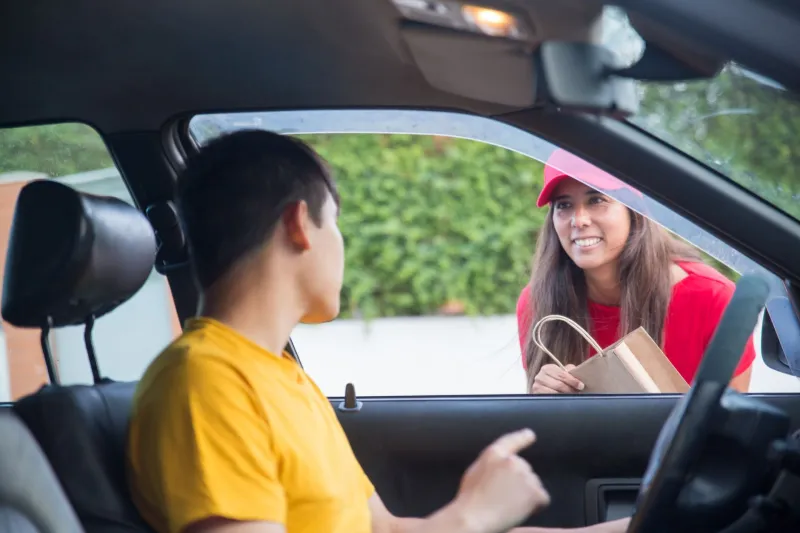
After the first week, ask your relative what actually happened. Not just whether the food was nice, but whether it was hot, whether the driver was on time, whether the label was clear and whether anyone explained what to do with the container. If you can, be there for one delivery. Watch the handover, not just the menu. The best service is the one that still answers the phone when the ordinary Tuesday goes wrong.