The Queue Is Not the Plot: How to Vet a UK Allotment Waiting List Before You Join It
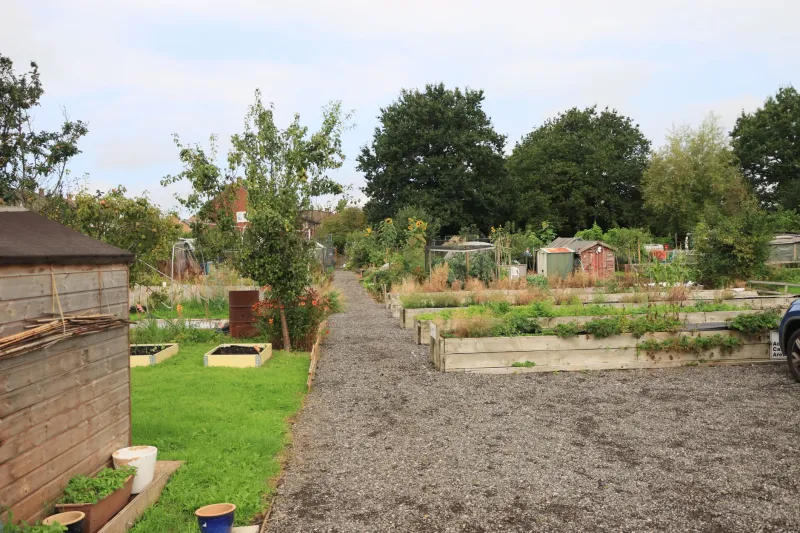
Allotment waiting lists have a mythology all of their own. Someone always knows someone who waited five years, got a plot full of bindweed and spent the first season fighting a losing battle with a strimmer. Someone else got a call in three weeks and was digging by Easter. Both stories can be true, because a waiting list is not a single thing. It is a living queue, run by real people, with all the quirks and blind spots that involves.
That is why the helpful question is not 'how long is the list?' It is 'what kind of list is this, and what am I actually waiting for?' A few careful questions now can save you from years of vague hope, or from signing up to a plot that looks nothing like the one in your head.
The list is a living thing, not a number
Start by asking how the list is managed. Is it held by the council, by a site association, or by a allotment society with its own committee? Is it one list for the whole borough, or separate lists for each site? Can you see your position, or are you just told you are 'on it'?
Then ask about turnover. How many plots changed hands last year? How many people are ahead of you, and how many of those are still active? Some lists are full of names that have moved away, lost interest or joined three sites at once. A site with 40 names but steady turnover can move faster than a site with 15 names and no movement at all.
It is also fair to ask how offers are made. Do they call, email or write? How long do you have to respond? What happens if you turn down the first plot, and are you still in the queue? These details are not nosy. They are the difference between a list that works and a list that simply absorbs your name.
Ask what 'available' actually means
When a plot comes up, what condition is it likely to be in? 'Available' can mean freshly cleared and ready to dig, or it can mean a hedge, a collapsed shed and a decade of couch grass. Ask whether the site clears plots before reletting, or whether the new tenant takes on the clearance. If it is the latter, ask how much time you get before the committee starts asking questions.
Check the money too. Rent is only part of it. Is there a deposit? A joining fee? A charge for water or a key? Are there rules about how much of the plot must be cultivated, and how quickly? A probationary tenancy is common, so ask what the review looks like and what happens if you have a bad first season.
And ask about the plot itself: size, aspect, soil, drainage, access. A south-facing half-plot with a tap nearby may suit you far better than a full plot at the back of the site that floods every February. If you can visit before you join the queue, do it.
Water, sheds and the small stuff that decides your summer
Water is the quiet make-or-break of allotment life. How far is the nearest tap or trough? Is water included in the rent, or metered? Are there restrictions in dry summers? Does the site have a hosepipe ban policy, and are there water butts on sheds? If you are on a site with no water at all, you need to know that before you plan a summer of tomatoes.
Security matters too. Are there locked gates? Who holds keys? Have there been break-ins or vandalism? Is there parking, and is it safe to leave a car while you dig? Ask about storage: are sheds allowed, and do they need committee approval? What about greenhouses, polytunnels, fruit cages and compost bins? These are the details that turn a plot into a practical space rather than a weekend puzzle.
Read the committee, not just the rules
Every site has rules, but the atmosphere is set by the people who enforce them. Ask when the committee meets, whether minutes are available, and how disputes are handled. Is there an AGM? Are new tenants expected to attend work days? Is there a waiting list for a reason, or is the site slowly losing plot holders because of poor communication?
It is also worth asking about the things that affect daily life: bonfires, chickens, bees, dogs, children, noise, and the dreaded question of whether the site is organic or pesticide-free. None of these are deal-breakers on their own, but they are much easier to discuss before you sign than after your neighbour's fire has smoked out your greenhouse.
When the site changes hands
A waiting list can be upended by a change in management. A council may hand a site to a community association, or a lease may come up for renewal. Ask whether the site is secure in the medium term. Is there a lease, and how long does it run? Is the site listed as an asset of community value? Has there been any talk of development or relocation?
These questions are not about being negative. They are about knowing what you are joining. A site with a strong committee and a long lease is a different proposition from one that is waiting to hear about funding or a boundary change.
Do the site visit properly
If you can, walk the site at a weekend when people are working. Talk to plot holders. Look at the noticeboard. Is it current, or is it advertising a summer show from three years ago? Are plots tended, or are there several abandoned ones? A site can be scruffy and still thriving, but a site with no people on a sunny Saturday is worth a second thought.
The point is not to judge the place in ten minutes. It is to gather the kind of evidence a waiting list number cannot give you. You will learn more from a chat by the water trough than from a dozen emails to the council.
The realistic checklist before you sign
Before you add your name, ask: how is the list managed, and can I see my position? What was turnover like last year? What condition are plots in when they are offered? What are the rent, deposit and any extra charges? How is water supplied, and are there restrictions? What are the rules on sheds, cultivation and probation? How secure is the site? Who is on the committee, and how do they communicate? Is the site's future secure? And can I visit before I commit?
A waiting list is not a promise. It is a process, and like any process it can be run well or badly. Ask the questions, visit the site, and talk to the people who actually dig there. Then you can join the queue with your eyes open, rather than simply hoping for the best. If you are looking for local groups and community listings to point you in the right direction, FindIt UK is a good place to start.