Before You Set Off in the Dark: Confirming Winter Opening Hours That Actually Hold
November is when the UK’s small venues start running on a different clock. The café that welcomed you at 5pm in July now stops serving at 3:30pm. The farm shop that was open seven days a week is suddenly shut on Mondays and Tuesdays. The little museum that had a lively summer season is dark until March. None of this is a scandal. It is just seasonal reality. The problem is that the website, the directory listing and the booking platform often have no idea.
That matters more now than in summer. A wasted trip in July costs you an afternoon. A wasted trip in December costs you daylight, a booked day off and possibly a long drive home in the dark. So before you bank on a day out, check the hours like you mean it.
Why winter hours go stale so easily
Small venues do not always have a web team. A volunteer might update the site once a season, or a manager might change the door sign and assume someone else will handle the listing. Booking platforms can be even slower, because they often pull from old data or from a venue’s summer schedule. Google listings are useful but not authoritative; anyone can suggest an edit, and not every venue checks them regularly.
There is also a language problem. ‘Open daily’ can mean daily in high season and Wednesday to Sunday in winter. ‘Last admission’ is not the same as ‘closing time’. ‘Café open’ might mean the café is open but the main attraction is not. These distinctions are easy to miss when you are skim-reading a listing on your phone.
The three-source check
Use three sources, in this order.
First, the venue’s own website. Look for a page called ‘Opening times’, ‘Plan your visit’ or ‘Winter hours’. Check whether the page has a date stamp or a line saying ‘updated October 2026’. If the site still shows a summer timetable with no seasonal note, treat it as a hint rather than a promise.
Second, ring the venue and speak to a human. This is still the most reliable check for small UK venues. Ask two questions: ‘What is the last entry time today?’ and ‘Are you open on the day I’m planning to come?’ If you get an answering machine, listen to the whole message. Many places update the recorded greeting before they update the website.
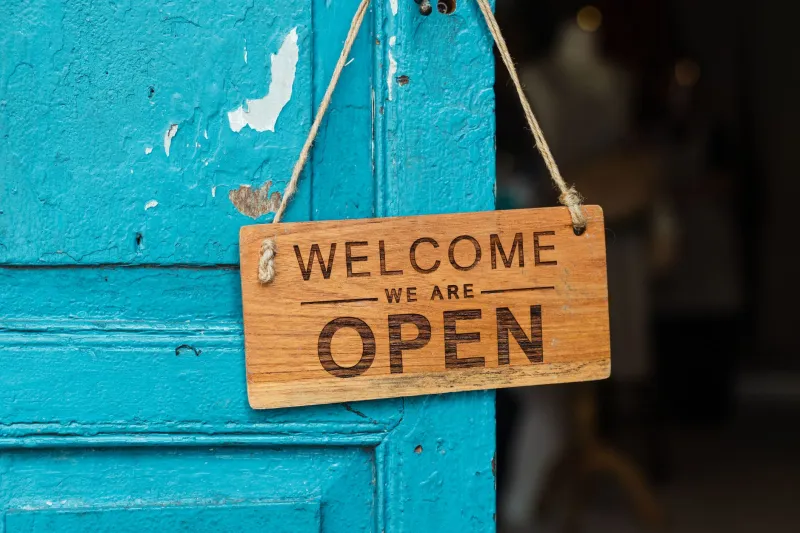
Third, read the notice on the actual door. This is the final check when you arrive, and it is also useful if you are already in the area. A handwritten sign saying ‘Last entry 3:30pm’ overrides a web page saying ‘Open until 4pm’ every time. Take a photo of the sign if you are planning a return visit; it is a better record than your memory.
Last admission is not closing time
This is the trap that catches most people. A venue can close at 4pm and still stop letting people in at 3:30pm. Sometimes the gate closes earlier than the building. Sometimes the café stops hot food half an hour before closing. Sometimes the car park is locked shortly after the last admission.
If you are travelling any distance, ask specifically about last entry, not just closing time. Ask whether the café, toilets and shop keep the same hours as the main attraction. Ask whether the grounds close earlier than the building. These details are rarely in the headline listing, but they are exactly the details that decide whether a two-hour drive ends with a wander round the gift shop or a locked gate.
Which listings are most likely out of date
Volunteer-run halls, small museums, heritage railways, garden cafés, farm shops and independent attractions are the usual suspects. They often have limited winter staffing, weather-dependent opening and a website that was last redesigned when everyone still used Facebook pages. Seasonal businesses are another risk: a place that shuts entirely in January may still have a listing that says ‘open daily’ because nobody remembered to change it.
That does not mean those places are unreliable. It means their online presence is doing a different job from their front door. The trick is to trust the door, the phone and the dated notice over the undated listing.
What to ask before a two-hour drive
Before you commit, ask: What is the last entry time? Is the café open all day? Are the toilets open? Is there any chance you will close early because of weather? Do I need to book, or can I turn up? If you are booking a day off work, ring again 48 hours before and once more on the morning. Winter opening can change at short notice, especially after a cold snap or a burst pipe.
And if the website says four o’clock, the phone says half three and the door says closed, believe the door. The reputation of a place is not the same as its timetable. In winter, the timetable is the thing that gets you home before dark.