The Water Bowl Is a Prop: Reading the Dog-Friendly Label Before You Book
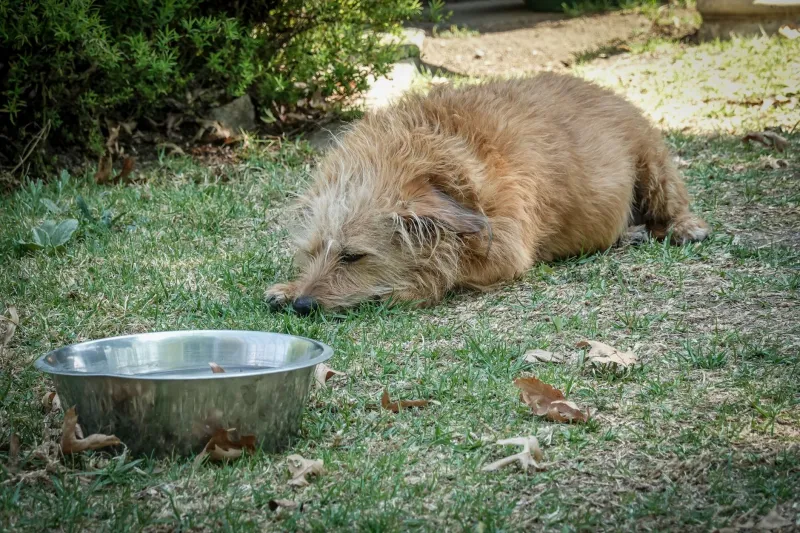
There's a particular kind of disappointment reserved for the dog owner who has driven forty minutes to a pub that promised, in a green paw-shaped icon, to be welcoming. They arrive. A water bowl sits by the door, slightly furred with algae. A sign on the bar reads: dogs welcome in the garden only. It is February. The garden is a puddle with ambitions.
The paw icon, in other words, is a starting point and not a contract. Directories like ours are genuinely useful for narrowing the field, but a listing is a claim, not a guarantee — and nowhere is that gap wider than with the words "dog-friendly". Here's how to close it in about ten minutes.
The word does a lot of heavy lifting
"Dog-friendly" covers at least four entirely different situations, and only one of them is what you're picturing.
There's dog-catered-for: water bowls, a jar of biscuits on the bar, blankets, a genuinely relaxed landlord who knows the regular Labradors by name. There's dog-tolerated: the dog may enter, technically, and will be treated with the polite suspicion normally reserved for a doorstep salesman. There's dog-permitted-in-a-designated-zone: outside, in one corner, or in the bar but never the dining room. And there's dog-friendly-in-the-listing-only: the paw icon exists because the platform had a checkbox and the owner had a vague sense of goodwill.
None of these is dishonest, exactly. But the difference between the first and the rest is the difference between a nice lunch and eating a scotch egg standing up in the rain while your spaniel howls at a bin lorry.
Ring them. Yes, actually ring them.
Online booking forms and Instagram captions are written to make you click. A person answering a phone at 11am on a Tuesday will tell you the truth, largely by accident.
Good questions, in roughly this order:
- Can the dog come inside, or is it garden only? Then: what happens in bad weather? Many pubs quietly open a covered area or a back room, which they never mention on the website.
- Where exactly can the dog sit? "In the bar" often means a small front room with six tables and a fire that's fully booked by 12:30. Ask if you can book one of those tables specifically.
- Are there any dogs already living here? Relevant at cafés with a resident cat, and at cottages where the owner's own dog sometimes visits.
- Is there food on the floor situation? A bit odd to ask, but genuinely useful if your dog is a hoover.
- Is there anywhere nearby for a proper walk? A decent human on the phone will tell you about the field behind the car park that isn't on any map.
If the person sounds mildly irritated by the questions, that tells you something too. Not necessarily a red flag, but a hint about the welcome.
Read the photos for what's missing
Listing photographs are chosen, which means the absences are as informative as the contents.
Look for a water bowl that isn't the one by the door — a proper one, filled, somewhere people actually sit. Look at the floor: bare boards and stone flags mean relaxed; acres of pale cream carpet mean the owner has underestimated either their own tolerance or the average dog's digestive timing. Look for other dogs in the background of the photos. One dog, posed, on a lead, on a nice day, is a stock situation. Three dogs sprawled under tables with a bowl in shot suggests a place that actually does this.
Be careful with the reverse, too. A photo of a dog by a roaring fire in a holiday cottage is lovely and tells you nothing about whether the garden is secure, whether the sofa is off-limits, or whether the neighbours have opinions about barking at 6am.
Reviews are the real small print
Search the reviews rather than scrolling them. Search terms like "dog", "bark", "garden", "not allowed" and the name of your breed if it's a big one. Then read the three-star reviews, which is where people put the honest caveats — the one-star reviews are about parking and the five-star ones are about the Sunday roast.
A useful signal is repetition. One review mentioning that dogs were moved to a back room on a busy Sunday is a quirk. Four of them is policy.
The question nobody asks: can you leave the dog?
This matters most for cottage stays and campsite pitches, and it's where booking terms quietly diverge from common sense.
Some holiday lets prohibit leaving a dog unattended at any time. Others allow it in a crate. Others say nothing, which usually means you'll find out from a complaint or a cleaning charge. Ask directly, get the answer in writing by email, and check whether the property is somewhere a dog could realistically be left — a hot conservatory in July is not a crate location, insurance or not.
On campsites, the questions shift: is there a designated dog walk on site, are there breed restrictions (some sites still list them, mostly unfairly), and is there an off-lead area and where does it end? Pitch layout matters more than people expect — a pitch beside the play area is not a quiet pitch.
Insurance gets mentioned for a reason
Most UK pub and café public liability policies are fine with dogs. What they won't cover is your dog knocking over a tray, chewing a chair leg or causing a fall, so any damage conversation is between you and the owner. That's fair enough. It's also a decent reason to check whether a venue is genuinely set up for a dog — a place with a bowl, a jar of treats and a hook by the door tends to have thought the whole thing through. A place with a laminated sign and a nervous manager tends not to have.
Ten minutes, most of it on the phone
Here's the whole thing compressed: check whether inside or outside, book the specific table if you can, search the reviews for the caveats, look at the floors and the bowls in the photos, and get any "can we leave the dog" answer in writing.
That's it. A directory will put you in the right postcode. A quick call will tell you whether the paw on the listing was a real welcome or a checkbox. One is a lead. The other is a Saturday with no ruined lunch.