The Drill Is Free, the Deposit Isn’t: A Real-World Check for UK Borrowing Schemes
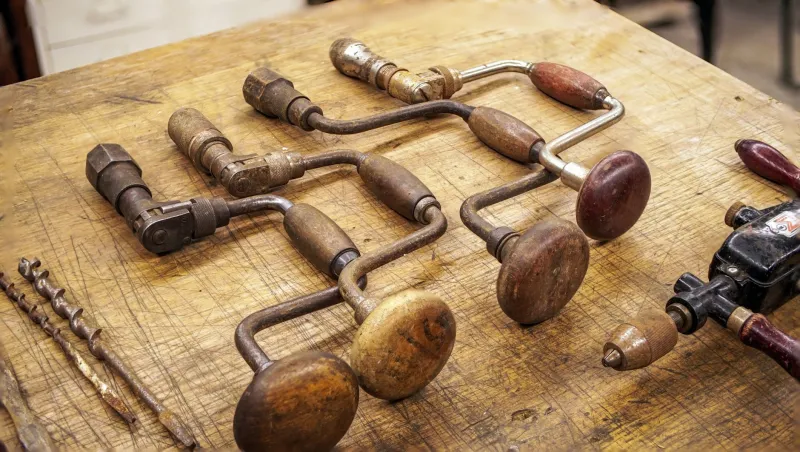
A library of things sounds almost too sensible. Instead of buying a hedge trimmer you’ll use twice a year, or a chocolate fountain you’ll regret once, you join a local scheme and borrow one. In 2026, these setups are popping up in community centres, allotment huts, church halls and repurposed shop units across the UK. Some are brilliant. Some are a shed with a sign and a hopeful spreadsheet.
The trick is not being put off by the boring questions. FindIt UK is built around helping people discover trusted local services and community groups, and borrowing schemes sit right in that space. But a friendly listing is not a guarantee. Before you hand over a deposit or wheel a stranger’s pressure washer into your boot, it’s worth doing a proper check.
Start With the Catalogue, Not the Charm
A good library of things publishes a real inventory. Not a vague promise of “tools and camping gear”, but an actual list with item names, condition notes and whether things are currently available. You want to see categories: garden tools, DIY equipment, kitchen kit, party supplies, camping gear, accessibility aids, maybe a carpet cleaner that has clearly seen things.
Check whether the scheme has a membership process. Genuine groups usually ask you to join, show proof of address, agree to terms and maybe attend a short induction. That is not bureaucracy for the sake of it. It is how they know who has the chainsaw.
Ask where the items live. A shipping container behind a pub can work perfectly well. A borrowed garage with no opening hours is harder to trust. If the only way to collect something is to message a mobile number and hope, treat that as a question mark rather than a dealbreaker.
Insurance: The Question That Separates a Scheme From a Shed
This is the big one. Ask directly: what insurance covers the items, the volunteers and me while I’m using them?
A proper community scheme should be able to explain its public liability cover and whether borrowed items are included. Some schemes insure the item while it is in your care. Others insure the scheme’s own activities but expect you to cover loss or damage through a deposit or your home insurance. Neither approach is automatically wrong, but you need to know which one applies.
If electrical items are on offer, ask about PAT testing. For camping stoves, gas canisters, ladders and anything with a blade, ask how they are checked between borrowers. “It was fine last time” is not a safety policy.
Do not be fobbed off with “we’re all volunteers, it’s all very informal”. Informal is lovely. Uninsured is not.
Deposits, Fees and the True Cost of “Free”
Many schemes call themselves free, then charge a membership fee, a suggested donation or a refundable deposit. That is fair enough — upkeep costs money — but the total should be clear before you reserve anything.
Ask:
- Is there a joining fee, annual fee or pay-as-you-borrow charge?
- How much is the deposit, and is it refundable?
- How and when is the deposit returned?
- What happens if I return something late?
- Do you charge cleaning or replacement fees?
A £20 deposit for a drill is one thing. A £100 deposit for a gazebo, plus a late fee and a cleaning charge, starts to change the maths. It may still be cheaper than buying, but you should know the numbers going in.
Also check payment methods. A community group using a bank account and issuing receipts is a different beast from a personal payment link with no paper trail. Not every small scheme has slick admin, but there should be a record.
Cleaning Rules: Who Owns the Mud?
Borrowed garden tools come back muddy. Camping kit comes back smelling of woodsmoke. Cake tins come back with icing in the corners. The scheme should tell you what standard of cleanliness it expects.
Look for simple, specific rules: scrape off soil, wipe down surfaces, empty fuel tanks, return items dry, remove food residue, report missing parts. If the scheme provides cleaning instructions, follow them. If it does not, ask before you borrow.
This matters because cleaning disputes are one of the quickest ways for a friendly borrowing arrangement to turn sour. A good scheme will have a clear line between normal wear and tear and “you returned it covered in concrete”.
Breakage Policies: Read the Bit Nobody Reads
No one borrows a ladder expecting to snap it, but breakage policies matter. Ask what happens if an item is damaged, lost or stolen. Is there an excess? Do you pay replacement value or repair cost? Is there a grace period for reporting faults?
A sensible scheme will ask you to report damage honestly and quickly. It will also have a process for quarantining faulty items so the next person does not borrow a dodgy extension lead. If the answer is “we’ll sort it out between us”, that may be true — but get it in writing if you can.
Check whether you are expected to collect and return items yourself. If you need a van to move the thing you are borrowing, that is part of the cost.
The Human Test: Volunteers, Handover and Opening Hours
A library of things is a community service, so the people matter. Are there named volunteers or a committee? Is there a phone number, email address or contact form that gets answered? Are opening hours realistic, or is it “collection by arrangement” with no arrangement in sight?
When you collect an item, you should get a handover. That might be a two-minute demo of the hedge trimmer, a reminder about the safety catch, or a quick check that all the parts are in the box. It is also your chance to inspect the item before you take it. Photograph any existing damage. Ask what to do if it fails midway through the job.
If the scheme cannot manage a basic handover, think carefully before borrowing anything expensive or potentially dangerous.
Red Flags in a Hopeful Spreadsheet
A spreadsheet is not a sin. Plenty of good community groups run on shared documents and goodwill. But watch for a scheme where the spreadsheet is doing all the work and nobody is answering the questions.
Be wary if:
- no one can explain insurance or safety checks;
- deposits go to a personal account with no receipt;
- there is no membership agreement or borrowing record;
- items are stored somewhere with no fixed access;
- the inventory is full of things nobody has seen for months;
- volunteers cannot tell you what happens if something breaks.
None of these are automatic proof of a scam. They are reasons to ask more, not less.
A Five-Minute Pre-Borrow Checklist
Before you reserve anything, run through this:
- Can I see a clear inventory and availability?
- Is there a membership or borrowing agreement?
- What insurance covers the item and me?
- What deposit, fee or donation applies, and when is it returned?
- What are the cleaning rules?
- What is the breakage and loss policy?
- How do I collect, inspect and return the item?
- Who do I contact if something goes wrong?
Libraries of things are one of the quietly excellent ideas in local life. They cut waste, save money and give good kit a second life. But like any listing on FindIt UK, the name on the door is only the start. Ask the dull questions, read the borrowing terms and inspect the item before it leaves the shelf. Then borrow the drill, fix the shelf, and return it clean.