What the Brochure Leaves Out: A Practical Care Home Visit Checklist for UK Families
Choosing care for someone you love is not like booking a weekend away. You are not comparing star ratings and pretty photos; you are trying to work out whether a place, or a home-care arrangement, will be safe, decent and kind when you are not there. FindIt UK exists to help people find trusted local services, but a directory profile is a starting point, not a verdict. The same goes for a glossy brochure. Both can tell you what a provider wants you to know. A visit tells you a lot more.
Start with the regulator, then put the rating down
In England, care homes and home-care agencies are regulated by the Care Quality Commission. In Scotland it is the Care Inspectorate, in Wales the Care Inspectorate Wales, and in Northern Ireland the RQIA. Check the latest report, not just the headline rating. Look at when the inspection happened, what was said about staffing, safety and leadership, and whether any concerns were followed up. A rating can be a useful filter, but it is not a personality test. A home rated good overall may still not be right for someone living with dementia, or for a family who needs flexible visiting. A lower rating may deserve a closer look rather than an automatic no, especially if the report is old and the provider has changed hands.
Have the money conversation before the tour
Fees are where brochures often go quiet. Ask for a written breakdown before you visit if you can. What is the weekly fee, and what exactly does it include? Meals, laundry, heating, activities, hairdressing, chiropody, newspapers, transport and one-to-one companionship are common add-ons. Ask about funded nursing care, NHS continuing healthcare and local authority top-up fees if relevant. Then ask the awkward but necessary questions: how often do fees rise, what is the notice period, what deposit is required, and under what circumstances would someone be asked to leave? For home care, ask about the hourly rate, minimum visit length, travel charges, bank holiday rates, cancellation fees and whether the price changes if two carers are needed. Get it in writing. A friendly chat is not a contract.
Staffing: ratios are only the beginning
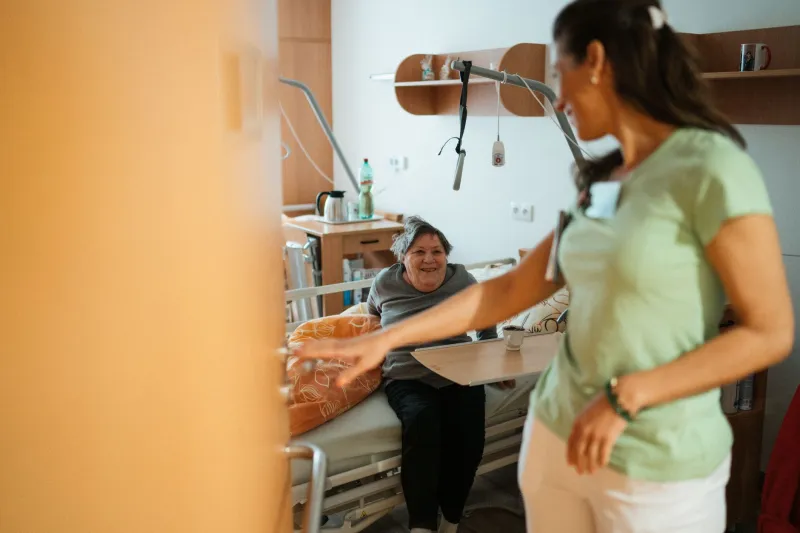
A staff-to-resident ratio can be misleading. Ask who is on shift at night, whether regular staff are used or agency staff fill most gaps, and whether a nurse is on site or on call. Ask how medication is managed, how GP appointments work, and what training staff receive in dementia, moving and handling, and safeguarding. Staff turnover matters too. If every face is new, continuity of care is harder. During the visit, watch how staff speak to residents when they think no one is listening. Do they knock? Do they explain what is happening? Are call bells answered promptly? You are not looking for a performance. You are looking for ordinary respect.
Visiting, family involvement and the shape of the day
Ask about visiting hours and whether they are genuinely flexible. Can family help at mealtimes? Can children visit? Is there parking, and is the home easy to reach by public transport? Distance matters more than people expect. A home that is a 40-minute drive each way may become a 40-minute drive you start postponing. Ask how the home communicates with families: phone calls, emails, care-plan reviews, a named contact. Then ask about the day itself. A activities timetable on the wall is not the same as a lively afternoon. Who runs activities? Do they happen at weekends and in the evenings? What happens if someone does not want to join in? Are there quiet spaces, a garden, a place to sit with a visitor without feeling in the way?
The corridor test
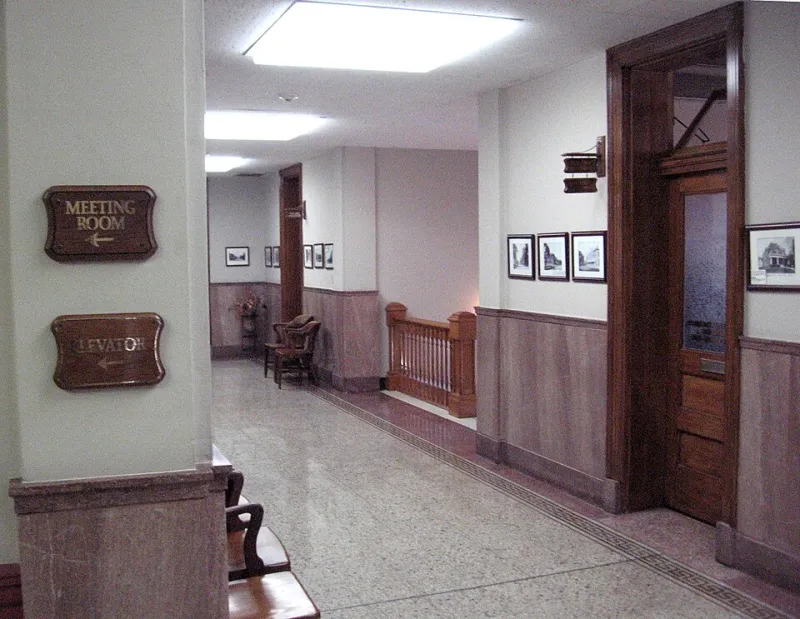
Walk the corridors slowly. Notice the smell, the temperature, the noise and the light. Are residents sitting in communal areas with something to do, or parked in front of a television? Are bedrooms personal and comfortable? Are bathrooms clean and accessible? Do you see staff rushing past someone without acknowledging them? Ask to see a menu and, if possible, a meal. Ask what happens when someone refuses food or needs help eating. Trust your instincts, but check them against facts. A quiet home is not automatically a neglected one; a busy home is not automatically a good one.
Ask residents and families, politely
If you see relatives visiting, a brief, respectful question can tell you more than a brochure ever will. How long has their relative lived here? How do they find communication with staff? What would they change? Not everyone wants to talk, and that is fine. Also ask the manager how complaints are handled and whether you can see the home's latest inspection report and safeguarding policy. A good provider will not mind the questions.
Home care deserves the same scrutiny
If you are comparing home care, the listing is still only the opening line. Ask about DBS checks, training, continuity of carers, cover for sickness and holidays, and what happens in an emergency. Ask how care plans are reviewed and who you contact if something goes wrong. A regular carer who knows the person is worth more than a smart website. Ask whether the agency is regulated for personal care and check its latest report in the same way you would a care home.
Questions worth taking with you
- What is included in the fee, and what costs extra?
- How often do fees increase, and how much notice do we get?
- Who is on duty at night, and is a nurse on site?
- How many staff are regulars, and how are agency staff inducted?
- What training do staff have in dementia and safeguarding?
- Can we visit at different times, including evenings and weekends?
- What activities happen, and who leads them?
- How are complaints recorded and resolved?
- What is the notice period and refund policy?
- Can we speak to current families, if they are willing?
A shortlist is not a decision
Use FindIt UK and other directories to build a shortlist, read the regulator reports, and write down your questions. Then visit more than once if you can, at different times of day. Take notes afterwards, while the details are fresh. Do not let anyone rush you because a room is available this week. This is a high-stakes local service search, and you are allowed to be thorough. The right place will welcome the questions.