The Cabinet Code Is Only Half the Story: A Neighbourly Check of Your Local Defibrillator
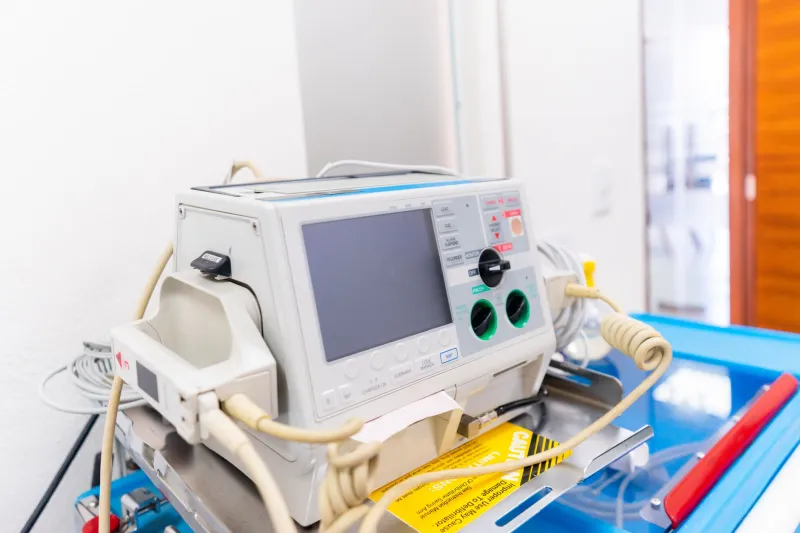
There's a certain comfort in spotting one of those bright cabinets bolted to the side of a village hall. Yellow, green, sometimes wrapped in a little knitted hat by persons unknown. It says: someone thought about this. But a box on a wall is not quite the same as a rescue-ready device. The difference between the two is usually admin, batteries and a code that someone forgot to pass on.
This isn't about expecting the worst. It's about the quiet sort of preparedness that makes a community work: knowing where the thing is, whether it's actually usable, and who to nudge if it isn't. Think of it as a five-minute neighbourly check rather than a formal inspection. You don't need a clipboard. You do need to know what you're looking at.
Start with the map, not the box
The first question is whether your local defibrillator is registered with the ambulance service. In the UK, that usually means it appears on The Circuit — the national defibrillator network run by the British Heart Foundation — and on your local ambulance trust's public access defibrillator (PAD) list. If a 999 call handler can't see it, they can't send someone to it, and that matters more than any sticker on the cabinet.
You can search The Circuit online by postcode. It's not perfect, and some kits are registered under a building name rather than a street, so try a few variations. If the one at the end of your road doesn't show up, don't panic and don't assume it's rogue. It may simply be listed under the pub that hosts it, or the sports club that bought it. Make a note and ask the venue.
The cabinet code problem
Most public cabinets are locked, and the code is meant to be given out by the ambulance service when someone calls 999. That works when the registration is up to date and the code on file is the code on the lock. It falls apart when a cabinet has been swapped, a lock changed, or a well-meaning volunteer has reset the combination and forgotten to tell anyone.
So when you're passing, have a look at whether the cabinet has a visible identifier or instructions. Some have a small notice saying "in an emergency call 999 and ask for the code". Others have nothing at all. If you're the nosy-but-useful type, ring the venue and ask a simple question: "If I needed the defib tonight, who gives out the code?" You're not demanding a drill. You're checking that someone has an answer.
Pads, batteries and the dates that matter
If you can see inside the cabinet — and only if it's already open or you're with someone responsible for it — look at the expiry dates on the pads and the battery. Adult pads usually have a date printed on the foil pouch. Batteries vary: some have a date, some have a status indicator. A device that chirps or shows a red light is telling you something. A device that's silent and dark might be fine, or might be flat. The manual will say, and the manual is often inside the carry case.
Don't open a sealed cabinet just to satisfy curiosity. If you're at a village hall coffee morning and the caretaker is happy to show you, that's different. Otherwise, ask the owner or guardian. Most are glad of the interest. A few will be mildly defensive, which is normal — nobody likes being told their life-saving kit might be past its best.
What "rescue-ready" actually looks like
A usable public defibrillator has a few boring but vital features. It's reachable without a key, a hedge trimmer or a parked van in the way. The cabinet isn't full of water or wasps. The signage is visible from the road, ideally with a what3words location or a clear street name. The pads are in date, the battery hasn't expired, and the device talks you through what to do. If it's a model with a paediatric switch or child pads, those should be there too, especially near a school or play area.
Accessibility matters as well. If the cabinet is up a flight of steps or behind a locked gate after 5pm, it's not really public. That's worth raising with the venue, not shouting about on Facebook.
If something looks neglected
This is where calm matters. A dusty cabinet is not necessarily a broken one. A missing pad pack is a problem, but it's usually a fixable one. The right move is to contact the guardian named on The Circuit, the venue, or your local ambulance trust's PAD team. They can arrange a replacement, update the listing or tell you the kit has been decommissioned.
What you shouldn't do is prise open a cabinet, remove equipment, or start a group chat that spirals into "the village defib is a death trap". That sort of thing puts people off volunteering to look after it. A short, friendly email to the parish clerk or the pub landlord is usually enough.
A small habit worth keeping
Next time you're waiting for a bus or killing five minutes outside the village hall, glance at the cabinet. Is the sign legible? Is the code information there? Does The Circuit list it? You don't need to make a project of it. You just need to know that the box on the wall is more than a box. It's a community asset with a battery and a paperwork trail — and both deserve the occasional look-in.