The Spare Key Has a Backstory: Auditing a Pet Sitter Before the Festive Rush
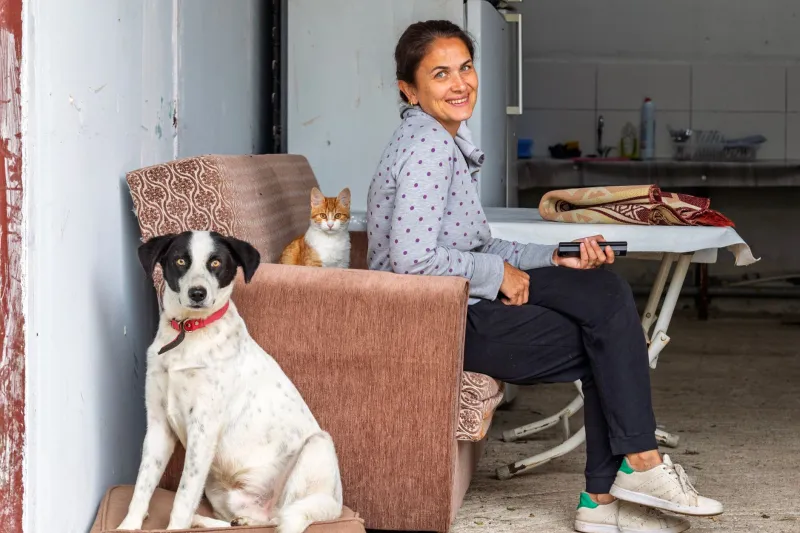
By mid-November, the good pet sitters are already filling their diaries. The rest of us are staring at a calendar, a train ticket and a cat who has strong opinions about breakfast. That is precisely when a shiny listing with five-star reviews starts to look like a rescue rope. It can be. But a directory entry is a starting point, not a character reference. The spare key you hand over has a backstory, and you want to know what it is before you leave.
Start with the meet-and-greet, not the message thread
A proper meet-and-greet should happen at your home, with your pet present, and it should last longer than a doorstep handshake. Watch how the sitter behaves around the animal rather than how warmly they talk about animals in general. Do they let the cat come to them? Do they notice the water bowl is low? Do they ask where the litter tray lives, or do they assume? A good sitter will have questions about routine, medication, hiding places, escape routes and the neighbour who might let themselves in.
Use the visit to test the small stuff too. Ask them to walk you through a normal visit from memory. If they cannot describe feeding, fresh water, litter or garden access without checking their phone, that is useful information. It is not about catching anyone out. It is about seeing whether their system is real or improvised.
Reviews are a mood, not a certificate
Five-star reviews are lovely. They are also easy to collect from friends, neighbours and one-off clients who never saw a problem. Look for specifics: mentions of medication, nervous animals, holiday cover, or repeat bookings. A review that says “great communication” is fine; one that says “sent photos twice a day and coped when the boiler leaked” tells you more. Ask for a couple of references from repeat clients if the sitter is new to you. A genuine sitter will not mind.
This is where local knowledge helps. Your vet, pet shop or community group may know the person. That does not replace your own checks, but a quiet word can be useful. FindIt UK-style listings and local recommendations are good for building a shortlist; they are not a substitute for the meet-and-greet.
Insurance, DBS and the limits of both
Ask whether the sitter has pet-sitting insurance, what it covers, and whether it includes care in your home. Public liability is not the same as care, custody and control. If they are walking dogs, ask about the relevant cover for that too. You do not need to become an insurance broker, but you do need to know whether an accident would be handled or shrugged off.
A DBS check is sometimes relevant, especially if the sitter will be in your home or has access to keys. It is not a magic cloak of trust, and it is not automatically required for pet sitting. If they have one, ask what level it is and when it was done. If they do not, ask how they handle keys and access instead. The answer matters more than the certificate.
The key is the giveaway
Key handling is where casual arrangements show their seams. A key safe is useful, but only if the code is changed after the booking and shared with the sitter in a secure way. A key left under a mat, in a plant pot or with a neighbour who is also away is not a system. Ask where the key will be kept during the booking, who else knows about it, and how it gets back to you. If the sitter keeps keys on a tagged ring in a van, ask how that ring is secured. It sounds fussy until you remember that your home is the thing being protected.
Emergency vet authorisation should be in writing
No one wants to think about the pet getting ill while they are away, but that is exactly the point. Leave written authorisation for emergency veterinary treatment, with a sensible spend limit, your pet insurance details and the name of your usual vet. Include the out-of-hours vet, microchip number and any medication instructions. Make sure the sitter knows where the carrier is and how your pet reacts to it. A good sitter will ask for this before you ask them.
Backup cover is not a luxury
Holiday season is flu season, weather season and family-emergency season. Ask what happens if the sitter is ill or cannot get to you. Is there a named backup? Has that person met your pet? Are they insured and briefed? A solo sitter with no plan is not necessarily a bad sitter, but you should know that the plan is you phoning around from a train. For festive bookings, backup cover is less of a bonus and more of a basic.
Get the agreement in writing
A written booking agreement does not need to be a legal epic. It should cover dates, visit times, feeding, medication, litter or garden access, photo updates, emergency decisions, cancellation terms, payment and key return. Add the backup contact and vet authorisation. Both of you should have a copy. If the sitter resists putting anything in writing, treat that as a signal rather than a paperwork preference.
The festive rush will always bring new sitters into the market. Some will be excellent. The way to find out is not to hope harder or read more reviews. Ask the boring questions, watch the meet-and-greet and make the key handover part of a proper system. Then you can get on the train with a clear head, which is the whole point.