A Listing Isn’t a Promise: How to Sanity-Check a Local Service in Five Minutes
Photo: Chris Whippet , CC BY-SA 2.0, via Wikimedia Commons
Directory listings are useful. They are not a character reference. A five-minute check won’t tell you everything about a plumber, tutor, café or repair shop, but it will separate a live local business from a listing that has been quietly abandoned. Here’s the routine I use when I’m starting from a directory entry — including on FindIt UK — and want a bit more confidence before I pick up the phone.
Start with the boring bits
Name, address, phone number. Boring, yes. Also where most misleading listings fall down. The listing might say ‘Hillside Electrical’, while the website says ‘Hillside Electrical Ltd’ and the invoice says ‘H. Electrical Services (Kent)’. That isn’t automatically dodgy — trading names and company names often differ — but you want a trail you can follow.
Search the exact name and postcode together. Then check Companies House if it looks like a limited company. You can search for free, see whether the company is active or dissolved, and check the registered address. If the listing is for a charity or community group, try the Charity Commission register. A sole trader won’t appear on Companies House, so look for other signs: a landline, a consistent address, a website with a real contact page, or a local council licence where one is needed.
The red flag is not a mismatch on its own. It’s a mismatch plus no explanation plus a phone number that never answers.
Put the pin on the map
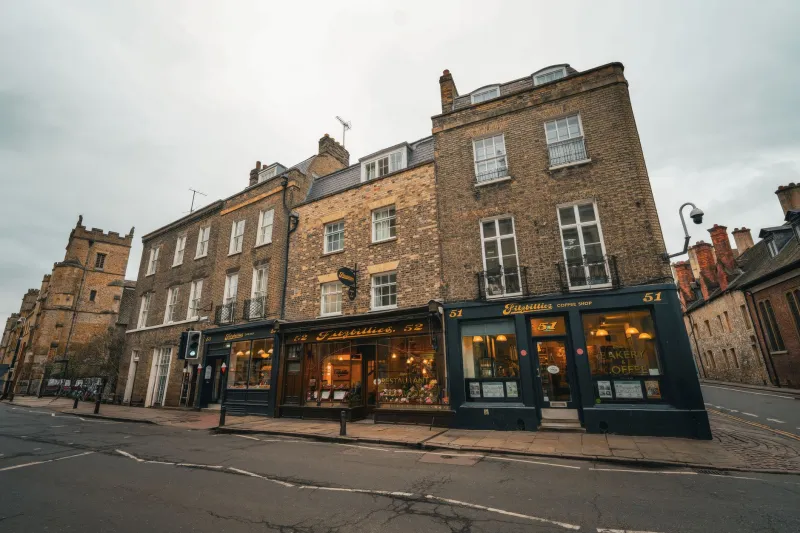
A map pin is not decoration. Zoom in. Does the pin land on a shop, a workshop, a community centre or a random field? Check the postcode against the address. If the listing says ‘serving all of Manchester’ but the pin is a flat in Stockport, that may be fine for a mobile service — just don’t assume there’s a premises you can visit.
For anything with a door, use Street View or recent photos to see whether the sign matches the name. If the listing is for a market stall, check the market’s own trader list or recent social posts. A pin in the right town is not proof of a real business, but a pin in the wrong town is a good reason to slow down.
Look for signs of recent life
Old listings go stale quietly. A website can stay online for years after a shop closes. Look for recent photos, dated posts, seasonal opening hours or a news item from the last few months. A Christmas market trader with summer-only photos is not necessarily fake, but a café with no posts since 2019 deserves a phone call before you set off.
Photos are also a useful reality check. Are they generic stock images, or do they show the actual premises, the actual team, the actual work? Reverse image search won’t solve everything, but it can flag pictures used across multiple unrelated listings. For trades, ask for a recent local job photo if the listing is vague.
Read reviews for patterns, not scores
A star rating is a summary, not evidence. One five-star review from a friend and one one-star review from a rival tell you almost nothing. Read the most recent reviews, then read the middling ones. Look for repeated themes: punctuality, communication, whether quotes changed, whether the person turned up when they said they would.
Check whether reviews are clustered on one week, whether they all use the same phrases, or whether the business replies. A polite reply to a bad review is often a better sign than a perfect score with no engagement. And check more than one platform. A business can have a glowing directory profile and a very different story on a local Facebook group. Neither is the whole truth, but the gap is worth noticing.
Send one small question
Response time is underrated. Send a short, specific question — not ‘are you free?’ but ‘do you cover [postcode] for [job] in the next fortnight, and what’s your call-out charge?’ A real local service will usually reply within a working day with something concrete. If you get a generic copy-and-paste reply, a request for a deposit before any details, or no reply at all, that tells you something about how the job might go.
The five-minute routine
- Search the exact business name and postcode.
- Check Companies House or the Charity Commission if relevant.
- Zoom into the map pin and compare it with the address.
- Look for photos or posts from the last few months.
- Read recent reviews for themes, not just the average.
- Send one specific question and note the reply time.
That’s it. No directory — FindIt UK included — can promise a business is brilliant. A listing is a starting point, and a good one should be current, specific and consistent. If those small details line up, you’ve got a better-than-average chance of dealing with someone real. If they don’t, trust your hesitation and keep looking.