A Fir Deal Needs a Paper Trail: Checking Your Christmas Tree Seller Before the Lights Go On
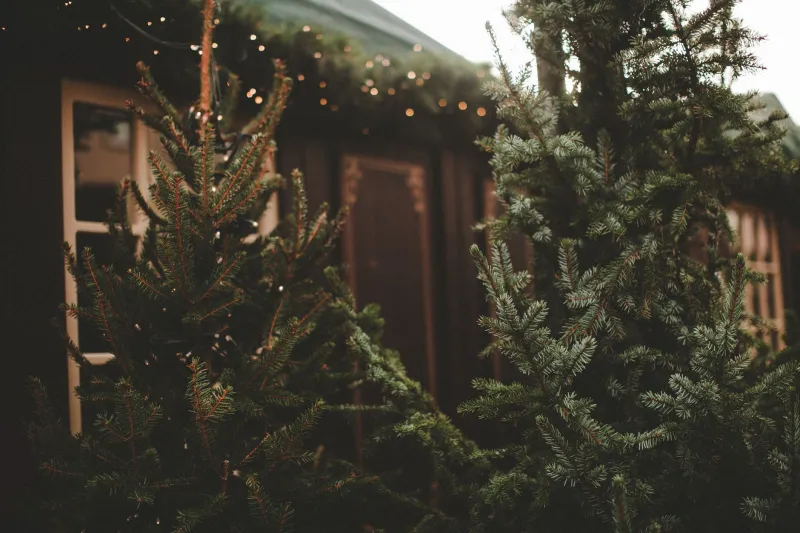
Christmas tree buying has a lovely bit of theatre to it. There is the lot on the edge of town, the strings of lights, the smell of pine, the bloke in a Santa hat who says every tree is a 'cracker'. And then there is the bit where you get it home, wrestle it into a stand, and discover it has the structural integrity of a crisp. The tree lot is not a farm, and a nice sign is not a guarantee. But you do not need to approach every seller like a fraud investigator. A few calm questions will usually tell you whether you are dealing with a genuine local grower, a charity pop-up doing its best, or a temporary set-up that will be gone before the recycling collection.
FindIt UK is built around the idea that local listings are a starting point, not a promise. That goes for Christmas trees too. A directory entry can tell you a seller exists and roughly where to find them. It cannot tell you whether the Nordmann fir in the corner was cut last week or is quietly shedding on the inside. So here is a neighbourly check you can do on the pavement, before you hand over the notes.
Who is actually behind the stall?
Start with the basics, asked in a normal, friendly way. What is the trading name? Where are they based? How long have they been selling trees? Do they have a card machine, and will you get a proper receipt? If they are a limited company, Companies House is a free check. If they claim to be a charity, ask for the charity number and look it up on the Charity Commission register. That is not cynicism; it is just how you make sure your donation goes where you think it does.
If the seller is on a council pitch or in a supermarket car park, they should be able to tell you who authorised the site. That does not automatically make them brilliant, but it does mean there is a name and a contact trail. A receipt with a trading name, address and date is boring and useful. Keep it. If the tree collapses in a week, that little piece of paper is your friend.
Provenance: local is a word, not a postcode
'UK-grown' and 'locally grown' are not the same thing. A seller can be local while sourcing trees from wholesale markets, and that is not a crime. The question is whether they are clear about it. Ask where the trees were grown, what species they are, and roughly when they were cut. A grower selling their own stock will usually answer without drama. A seller who says 'they are all from a farm somewhere' may still be fine, but you should adjust your expectations accordingly.
Membership of the British Christmas Tree Growers Association is checkable and can be a useful signal, but it is not the only mark of a good seller. The more practical test is whether the person in front of you knows the difference between a Norway spruce and a Nordmann fir without reading it off a laminated card. Both are lovely. They just behave differently in a warm living room.
Freshness checks that do not require a PhD
You are looking for a tree that has been looked after, not one that has been baking in a van since mid-November. Gently run your hand along a branch. Nordmann firs should hold their needles well; Norway spruces are more generous with the shedding, which is normal but worth knowing. Shake the tree lightly. A few loose needles are fine. A shower is not.
Look at the cut base. It should look relatively fresh rather than grey and sealed over. Ask whether the trees are kept out of wind and direct sun, and whether you can see one un-netted before it is wrapped. If a seller will not open a net for you, that tells you something. Netting is useful for transport, not a magic freshness cloak.
Delivery, netting and the post-payment fog
If you are having a tree delivered, get the practical details before you pay. What day will it arrive? Will you get a time slot? Where will it be left if you are out? Is there a charge for stairs, a longer carry, or taking the netting away? A good seller will put the key points in a text or email. A vague promise of 'sometime next week' is not ideal when you have a household of excited children and a tree stand waiting.
Also check the size against your room, not just the label. A netted tree can look smaller than it really is, and a generous ceiling height can vanish once you add a stand and a star. If delivery includes disposal, ask when that happens and what you need to do with the tree. If it does not, ask where the local recycling point is. That is the kind of aftercare that separates a proper operation from a van with a hand-painted sign.
Charity pop-ups deserve questions, not side-eye
A charity tree sale can be a genuinely lovely local thing. It can also be a commercial lot borrowing the warm glow of a good cause. The difference is transparency. Ask which charity benefits, how much of the price goes to it, and whether Gift Aid is involved. If the answer is clear, great. If it is fuzzy, you can still buy a tree, but treat it as a tree purchase rather than a donation.
Do not feel awkward asking for a receipt. Charities have them. Pop-ups should too. And if the seller says the proceeds go to a named cause, a quick look at the register is not an insult. It is the same instinct that makes you check a collection tin is sealed.
The five-minute pavement check
Before you commit, do a quick scan. Is there a clear price list? Are the trees stored sensibly, or stacked against a radiator in a plastic tunnel? Does the seller know what species they are selling? Can they explain what happens if the tree is faulty? Is there a queue because they are busy, or because nobody knows what they are doing? Reviews and local listings help, but the pavement check is where the useful detail lives.
A decent seller will not mind a few questions. They will probably be pleased you care. The ones to watch are the sellers who treat every query like an inconvenience. You are not asking for a DNA sample. You are asking where the tree came from and what happens if it drops its needles by 20 December.
Aftercare promises and the receipt
Once you have paid, keep the receipt and ask about the guarantee. Some sellers offer a replacement if the tree fails to thrive; others offer nothing beyond the door. Both can be legitimate, as long as you know which one you are getting. Ask what the guarantee covers, how long it lasts, and what you need to do to claim. A guarantee is only as good as the seller's address.
At home, re-cut the base, put it in water straight away, and keep it away from radiators and open fires. A tree stand that holds water is not a decorative extra; it is the whole point. If you have bought a netted tree, take the net off as soon as you can and let it settle before you start decorating.
A Christmas tree is a small purchase with a lot of expectations attached. You do not need to be suspicious of every cheerful shed, but you do need a paper trail, a few straight answers and a receipt. That is not the grinch act. It is just good local shopping, and it leaves more room for the bit that actually matters: the lights, the smell and the slightly lopsided star.